Work
My work spans humanoid robotics, spatial computing, enterprise digital transformation, complex digital platforms, and consumer hardware. I currently lead the Design Department at Apptronik as Director of User Experience, defining the ideal Human-Robot Interaction and the many experiences and interfaces needed to bring this new technology to market.
Before that, I was Creative Director at argodesign, where the following case studies are drawn from. The throughline across my career is bringing clarity and structure to teams working in emerging technology, driving alignment across large, disparate groups of stakeholders, and creating the strategic communication necessary to maintain that alignment from concept through completion.
Salesforce
Creative Director, team of 15 designers to deliver digital transformation for 27+ stakeholders
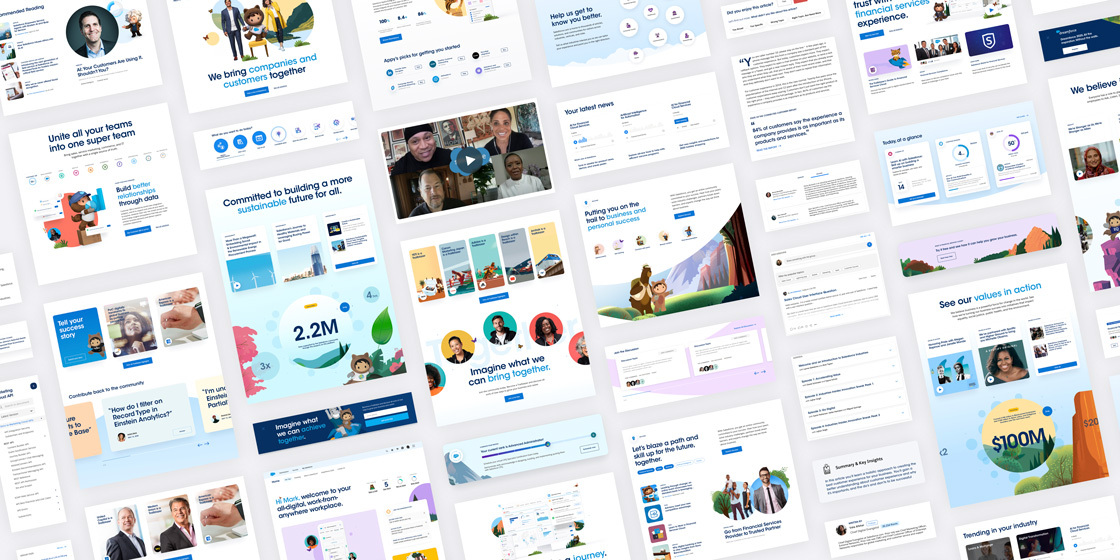
The challenge of this engagement wasn't the design work; it was untangling ownership across six teams, especially untangling ownership between Product and Marketing. Helping them agree on clearer boundaries was what let the program actually move. I managed the client relationship, gave direction to 4 workstreams of designers, and kept a regular cadence of shareouts and check-ins that held the numerous moving pieces together.
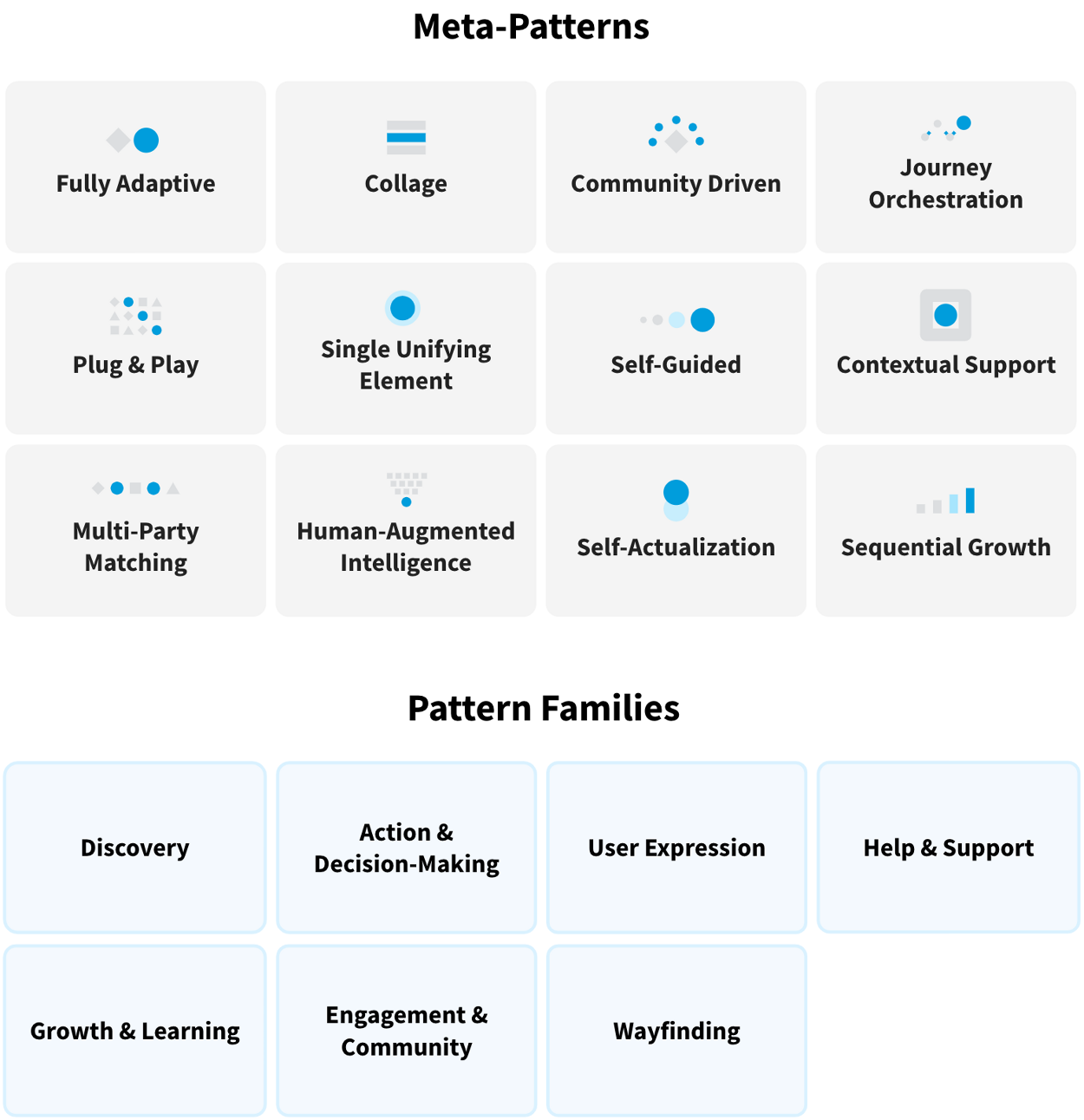
A highlight of the team's execution was a fully virtual workshop with 70 people, an early successful use of Zoom during the early stages of the COVID pandemic. I'm especially proud of the personalization playbook that came out of this engagement, which I helped frame out and edit into an actionable plan that the client could run with.
Magic Leap
Creative Director, multi-year partnership to design spatial computing interactions
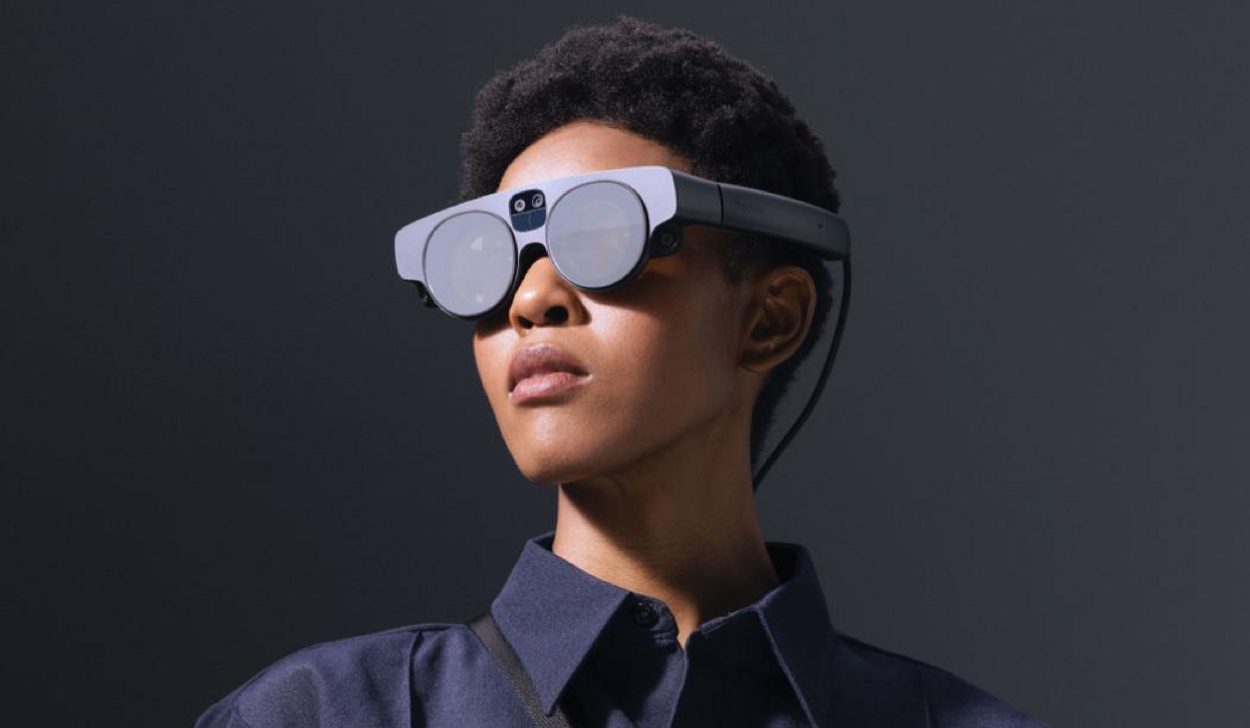
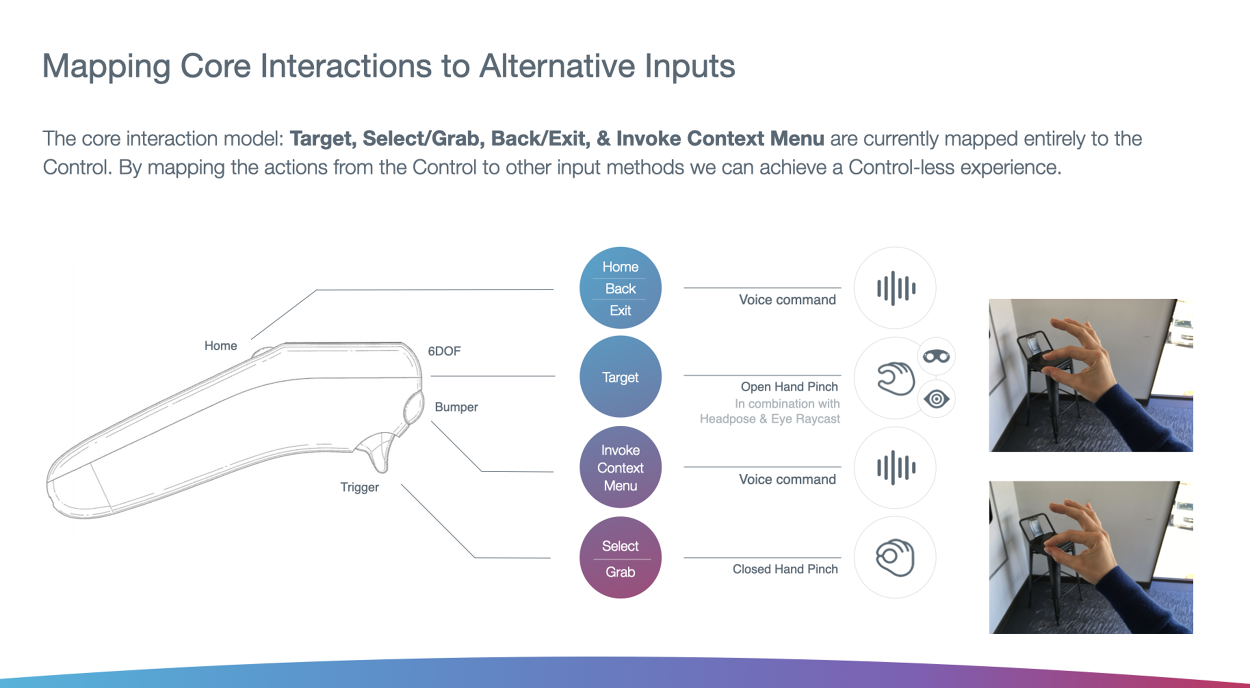
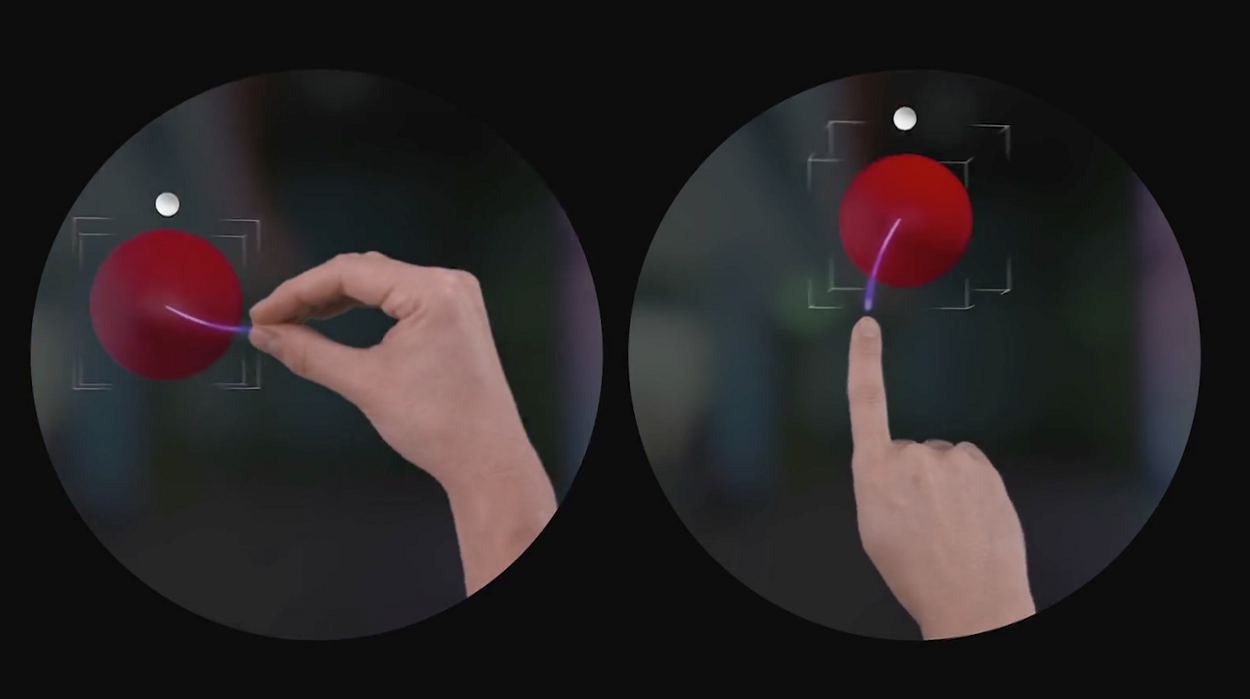
Over several years, I worked as a strategic design partner to Magic Leap across a wide range of problems, from establishing core interaction models to designing the File Manager application UI to improving the physical controller design itself. A central challenge was building a multi-modal input system meant to eventually move beyond the physical controller entirely, which meant designing gestures, hand shapes, and inputs that worked together as a coherent system rather than in isolation.
Each area fed the others. Decisions about gesture and input shaped how the spatial interfaces needed to behave, and questions about the physical controller's design looped back into what the interaction model could ask of a user's hands. Holding that whole picture, rather than just one piece of it, is now embedded into my work approach that's followed me into every interaction problem since.
3Plus Helio
Creative Director, team of 4 designers to design a hybrid smartwatch
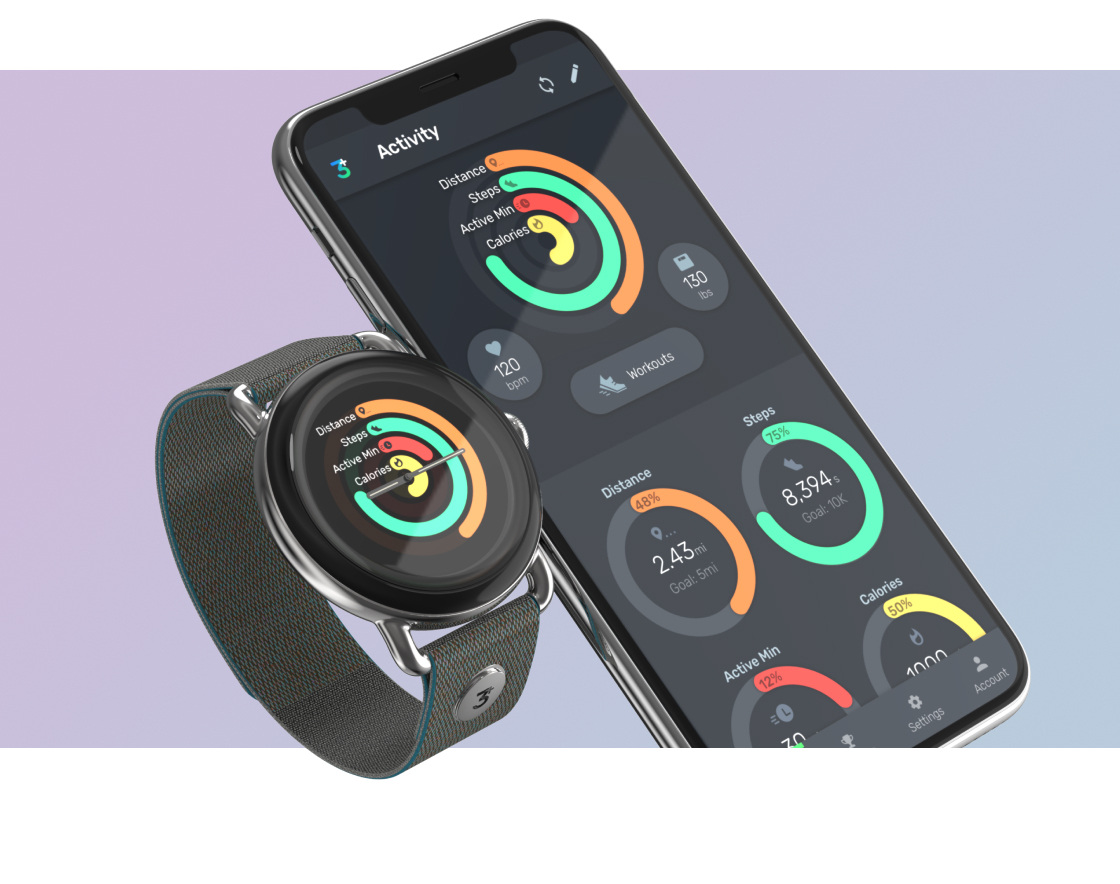
With a small team, we had to be deliberate about where we spent effort. Quick generative research told us what mattered most in the watch experience (charging ritual, quick-glance information, notifications, activity tracking) and what didn't need to compete for space, like sleep tracking or extended battery life.
From there, we designed the analog hands and the digital touchscreen together, not as two separate systems bolted onto one device. The client wanted the UI built from scratch rather than borrowed from an existing framework, so we focused on only what the watch actually needed.